

Understanding Vehicle-to-Grid (V2G) Technology: A Key Innovation for a Greener Future
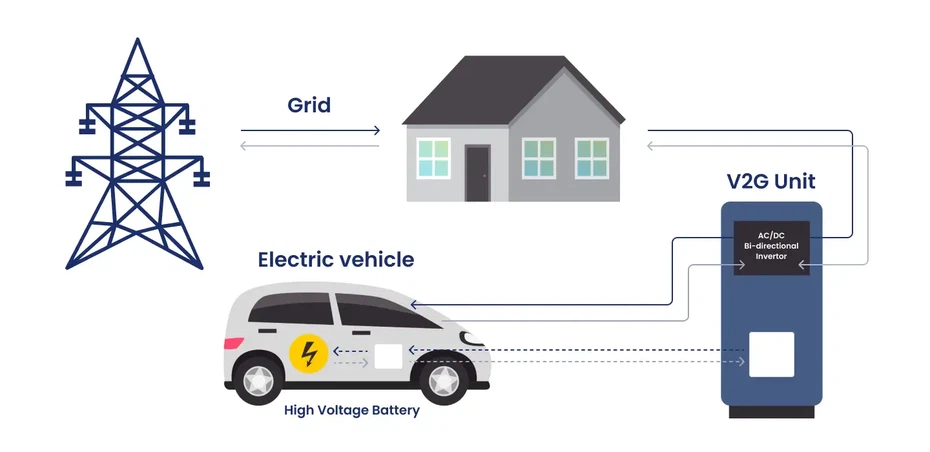
Vehicle-to-Grid (V2G) technology enables electric vehicle (EV) owners to send energy stored in their vehicle's battery back to the power grid, as well as draw energy from the grid to charge their EV. This two-way energy flow allows EVs to function not only as a mode of transport but also as an integral part of the energy ecosystem. The ability for an EV to both charge and discharge energy is a cornerstone of V2G, facilitating the smooth integration of renewable energy sources and helping to balance the grid.
What is V2G Charging?
V2G charging involves a bi-directional energy flow system, where power is transferred from the grid into an EV's battery and, when needed, flows back to the grid from the vehicle. In essence, this allows an EV to act as a mobile energy storage unit. By using a V2G-enabled charger, the vehicle can either charge up from the grid or provide power to it, depending on the needs of the grid and the preferences of the vehicle owner.
The Origins of V2G
V2G technology can trace its roots back to the early 1990s, when California-based company AC Propulsion introduced the concept of vehicle-to-vehicle (V2V) charging. Their Tzero car was designed with two-way charging capabilities. Over time, this concept evolved, giving rise to what we now call Vehicle-to-Grid (V2G), enabling the transfer of energy not only between vehicles but also between vehicles and the wider electrical grid.
Key Applications of V2G
1. Peak Load Management
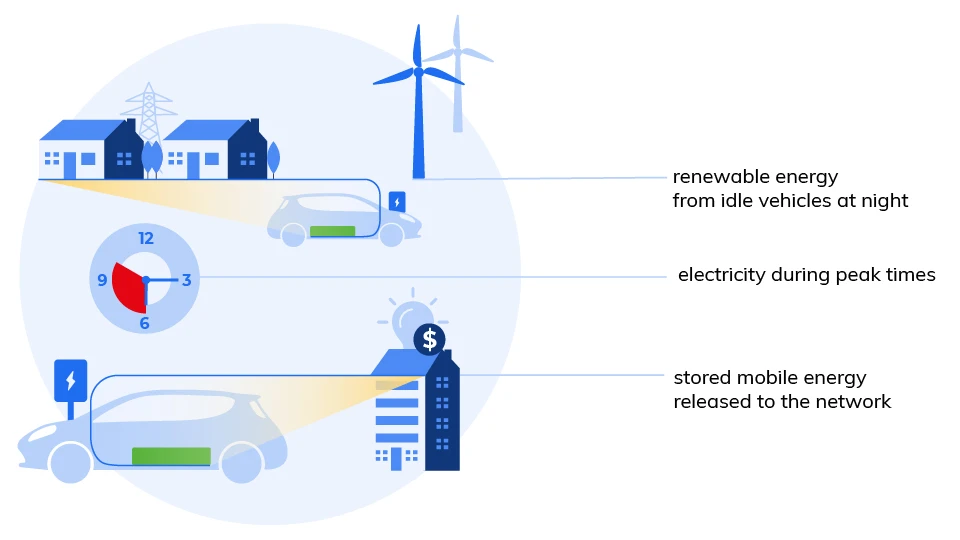
One of the primary benefits of V2G is its ability to help stabilize the grid during periods of high demand. By using electric vehicles to store energy during off-peak hours (a process known as "valley filling") and release it during peak demand ("peak shaving"), V2G helps balance electricity supply and demand. Additionally, V2G vehicles can provide spinning reserves-energy that can be quickly tapped into during sudden surges in demand-while also maintaining grid stability by helping to regulate voltage and frequency.
2. Emergency Power Supply
Electric vehicles can store far more energy than is typically needed for daily driving. As a result, they can serve as backup power sources for homes during power outages. Known as Vehicle-to-Home (V2H) technology, this capability allows EVs to provide several days' worth of energy to a household, drawing from the vehicle's battery when grid power is unavailable. This requires specialized charging infrastructure to communicate with both the home and the central grid.

More about this EU study, please visit https://www.chinaevcharger.com/news/renault-and-the-mobility-house-bring-v2g-82100060.html
Types of V2G Systems
1. Unidirectional Charging (V1G)
Unidirectional charging, also called V1G or "smart charging," refers to a system where the flow of energy is one-way: from the grid to the vehicle. This system allows for dynamic control over when and how much electricity an EV uses, optimizing charging times to take advantage of cheaper or cleaner energy.
2. Bidirectional Charging (V2H, V2L, V2X)
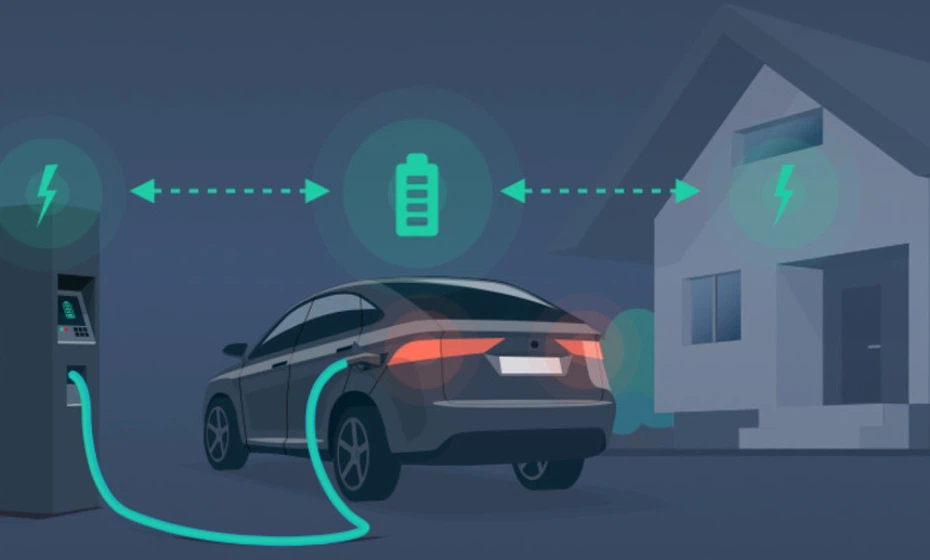
In contrast, bidirectional systems allow for energy to flow both into and out of the vehicle's battery. Examples include Vehicle-to-Home (V2H), Vehicle-to-Load (V2L), Vehicle-to-Building (V2B), and even Vehicle-to-Everything (V2X) systems. These configurations enable vehicles to power homes, buildings, or other devices directly, reducing reliance on the grid and utilizing stored renewable energy for greater efficiency and sustainability.

Smart charging VS Bidirection Charging
Why Should You Care About V2G?
For those concerned with reducing their carbon footprint and fighting climate change, V2G technology offers a promising solution. By facilitating the use of clean energy and helping to stabilize the grid, V2G plays an essential role in decarbonizing the energy system. For EV owners, the benefits go beyond environmental impact-V2G can offer a more flexible, cost-effective way of driving while generating income from selling excess energy back to the grid.
The Impact of V2G on the Environment
V2G technology plays a significant role in the transition to a greener energy system. As the world shifts away from fossil fuels, renewable energy sources like solar and wind are key to reducing carbon emissions. However, these energy sources are variable, meaning they are not always available when demand peaks. V2G technology helps address this issue by allowing excess renewable energy to be stored in EV batteries during periods of low demand, making it available when the grid needs it most.
With an estimated 140 to 240 million electric vehicles expected to be on the roads globally by 2030, V2G could provide a massive and cost-effective source of energy storage. In this way, EVs can contribute to grid stability, mitigate the effects of power shortages, and reduce the reliance on fossil-fuel-based energy.
Can V2G Harm Your EV Battery?
There is still some debate about the long-term effects of V2G charging on EV batteries, but current research suggests that, in many cases, it might actually extend battery life. Since V2G charging involves cycling the battery more frequently, it could help maintain the health of the battery by keeping it in optimal condition. This is an area of ongoing study, so it's worth keeping an eye on as the technology continues to evolve.
What's the Difference Between V2G and G2V?
While Vehicle-to-Grid (V2G) allows energy to flow from your car's battery back into the grid, Grid-to-Vehicle (G2V) simply refers to the traditional process of charging your EV from the grid. In essence, G2V is one-way energy flow, while V2G enables two-way communication and energy transfer between the vehicle and the grid.
Are All EVs Compatible with V2G?
Not every electric vehicle on the market is equipped for V2G technology at this time. However, several manufacturers, including Nissan, Mercedes-Benz, and Honda, have begun producing EVs that support V2G charging. As the technology becomes more widespread, more automakers are expected to include V2G capabilities in future models.
Can I Use My EV to Power My Home?
Yes, you can use your EV to power your home, thanks to Vehicle-to-Home (V2H) technology. This operates on the same principles as V2G but focuses on supplying energy from the vehicle to the home during power outages or to reduce reliance on the grid. As more homes and businesses integrate this technology, it could transform how we think about energy use and storage.
Conclusion: Why V2G is Crucial for the Future
Vehicle-to-Grid technology represents a crucial step forward in creating a more sustainable and flexible energy grid. By utilizing the vast potential of electric vehicle batteries, V2G offers a way to store and redistribute renewable energy, helping to stabilize the grid and reduce reliance on fossil fuels. For EV owners, V2G provides the opportunity to both save money and contribute to a cleaner, more resilient energy system. As the world moves toward a zero-carbon future, innovations like V2G will play an essential role in driving this transformation.
Hot Tags: V2G, Vehicle to Grid
Related article: What is V2G, V2H, V2L, V2V ?
Related article: Explanation on Vehicle-to-Home (V2H)
Related product: V2G Charger 15KW 22KW, V2G Charger 30KW 44KW