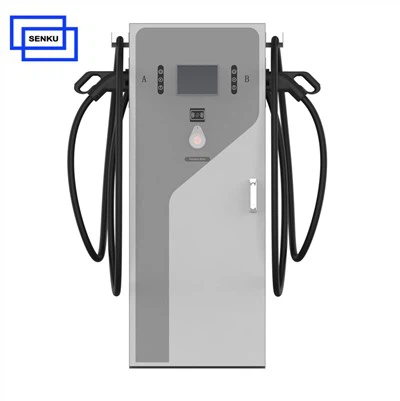
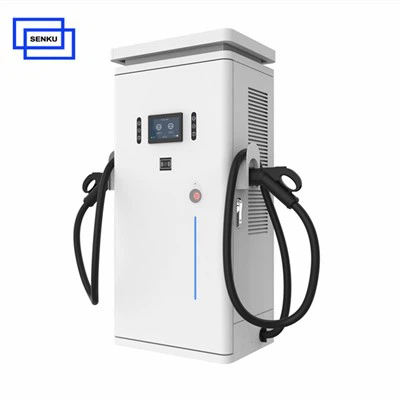
Introduction
AC input: 304~456VAC, Rated 380VAC; 3 phase+ N
DC Output: 180KW / 200KW / 240KW 50-1000V DC
Charging Cable: CCS2 / CCS1 /CHADEMO / GBT

Product Key Technologies
Intelligent Control - Support OCPP 1.6 and OCPP 2.0
- Seamlessly integrate with any OCPP-compliant backend system
- Dynamic load distribution for optimal energy management
- Remote monitoring and management capabilities
- Fully compatible with hybrid grids, including solar energy storage solutions
Versatile Payment Solutions
-Custom EV charger equipped with a credit card reader
-Accepts payments through PayPal or credit cards via a mobile app
-Compatible with RFID card transactions

Ensured Security
-Rated IP54 for water resistance, dust protection, and corrosion resistance
-Safeguards against issues like over-voltage, overheating, under-voltage, short circuits, leaks, and over-current...
Intuitive Interface
-Features an 7-inch LCD touch screen
-Supports multiple languages
-Offers customizable branding options

Who Can Install Commercial EV Stations?
As electric vehicle (EV) adoption grows, the need for public charging options increases, presenting a significant opportunity for various commercial properties to install EV charging stations. Ideal candidates include:
1. Multifamily Living Spaces: Apartment buildings and condos can attract tenants and increase property value by providing EV stations, making them more appealing to prospective residents.
2. Workplaces: Installing EVstations at workplaces can help attract and retain employees, with 80% of employers reporting positive impacts on talent acquisition due to on-site charging options.
3. Retail Districts and Shopping Centers: EV Charging stations in shopping areas, restaurants, and malls provide convenience for EV owners, encouraging them to shop while their vehicles charge.
4. Service Locations: Hospitals, universities, and public buildings can enhance their sustainability initiatives by adding EV stations, which can also assist in achieving LEED credits and attracting talent.
Overall, these commercial properties can play a crucial role in expanding EV charging infrastructure while benefiting their businesses and customers.

What Are Commercial EV Charging Business Models?
Commercial EV stations generally operate under two primary business models. In the first model, property owners act as owner-operators, meaning they own the charging equipment and are responsible for all associated costs, including installation and maintenance.
In the second model, owners outsource their EV charging services to a third-party provider and pay a monthly service fee.
Each model has its advantages and disadvantages, and the best option for your commercial site will depend on factors such as location, the number of sites, and intended use of the charging infrastructure. It's important to note that being an owner-operator involves a larger initial investment and ongoing financial responsibility, but it also allows for complete control over pricing and customer experience. While this model carries some financial risks, it can also lead to greater profit potential.


Personalized EV Charging Branding
Effective branding is crucial for businesses across all industries. It establishes trust with customers and enhances their overall experience.
Branding is emerging as a significant trend in the evolving landscape of EV charging.
Customers are more likely to engage with brands they recognize and trust.
The Senku solution allows you to seamlessly incorporate your brand into your customers' charging experience.


Hot Tags: 180kw 200kw 240kw ccs chademo gbt ev station, 180kw 200kw 240kw ccs chademo gbt ev station suppliers, manufacturers, factory, Electric Car Charging Infrastructure, Charging Station, EV Station, EV Charging Systems