As the world increasingly transitions to eco-friendly transportation, electric vehicles (EVs) have emerged as a key player in sustainable mobility. In addition to being a greener alternative, EVs provide a superior driving experience, and their convenience, particularly for home charging, has become a significant draw for many drivers.
Given these benefits, installing a home charging station is becoming a top priority for EV owners. Much like the vehicles themselves, many chargers now offer advanced smart features that optimize the charging process. But the pressing question for many is: Can smart chargers help reduce costs in light of today's surging energy prices
What Is Smart EV Charging?
To understand how smart chargers can save you money, it's essential to first define what smart charging entails.
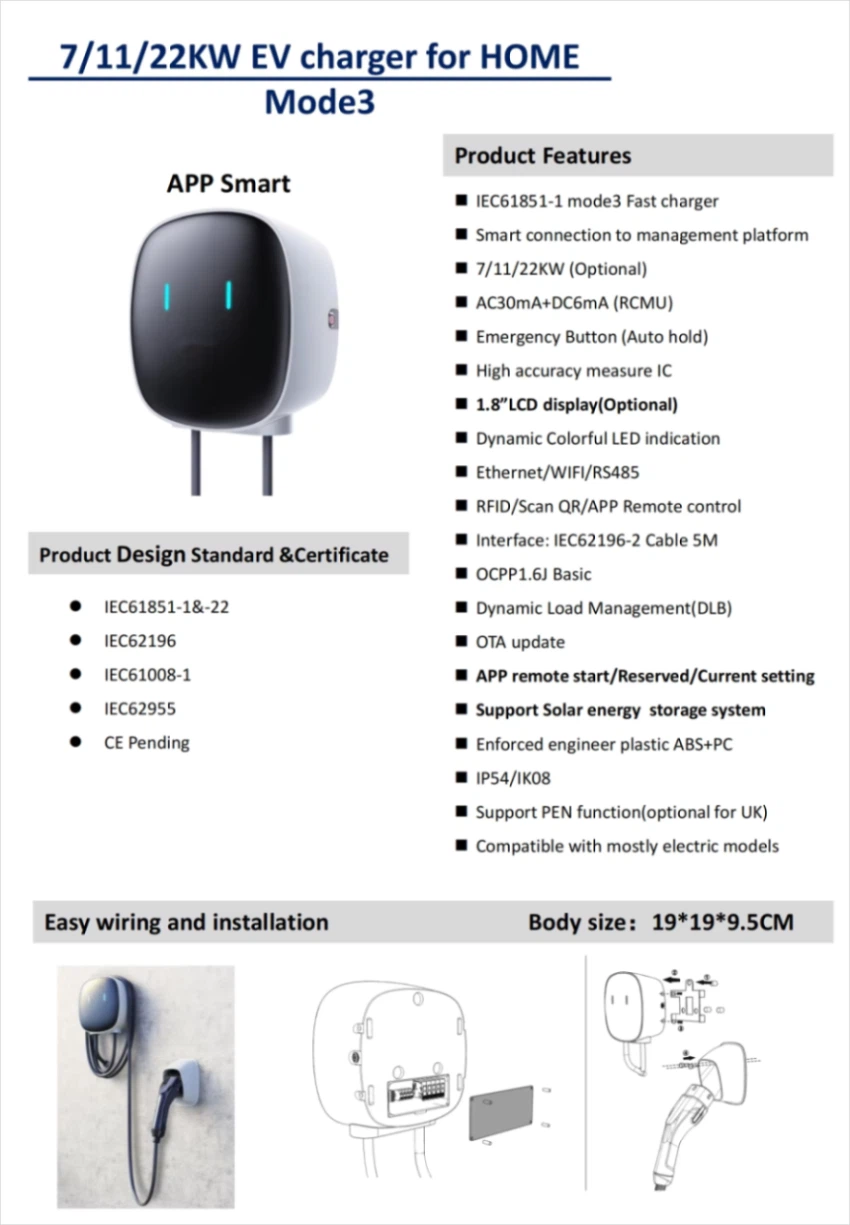
Smart charging, also known as intelligent charging, refers to a suite of technologies that enable seamless communication between a charging station, an electric car, and the user. This connectivity provides detailed insights into charging activity, optimizes energy use, and prevents unnecessary costs.
While not all chargers are equipped with smart functionality, advancements in technology and government mandates are quickly making smart chargers the standard choice.

Benefits of Smart EV Charging
Smart charging offers a host of advantages, from enhanced control over the charging process to protecting your home's electrical circuit from overloads. However, the most significant benefit for many EV owners is the potential to lower electricity costs. Here, we delve into how these features can contribute to savings.
How Much Energy Does an EV Require?
Before exploring cost-saving potential, it's helpful to understand the energy requirements of an EV.
On average, an electric car consumes about 200 watt-hours (Wh) per kilometer. Based on the European average annual driving distance of 4,529 kilometers (approximately 12.41 km daily), this translates to roughly 2,480 kilowatt-hours (kWh) of energy consumed per year. To put this in perspective, charging your EV adds about the same energy demand to your home as running a dishwasher for two hours daily.
Disclaimer: Energy consumption can vary based on driving habits and individual circumstances. These figures are provided as general estimates.
The Cost of Charging Without Smart Features
Without the benefits of smart charging, the additional energy used by your EV will directly impact your electricity bill. For instance, with a daily energy consumption of 2.48 kWh and using the 2021 EU average electricity cost of 23.69 euro cents per kWh, charging an EV could add around €18 to your monthly utility bill. In the U.S., where electricity averages 15.4 cents per kWh, the added cost would be about $11.50 monthly.
Disclaimer: Actual costs will depend on your location, electricity rates, and charging patterns.
How Smart Charging Reduces Costs
Smart charging encompasses a variety of features that can help you save money in different ways. Let's explore the key capabilities that make this possible.
1. Manage Electricity Costs
Smart chargers allow you to monitor energy consumption and optimize charging times based on electricity rates. Many energy providers charge higher rates during peak hours but offer discounts during off-peak periods, such as late at night. By scheduling charging sessions during these lower-cost times, you can significantly reduce expenses.
2. Integrate Renewable Energy
Smart chargers can connect to home solar systems, enabling you to charge your EV using renewable energy. For example, pairing solar panels with your charger allows you to use surplus solar electricity instead of selling it back to the grid. While a single solar panel may produce about 1 kWh daily, a 10-panel system could generate enough energy to cover an average day's EV driving needs, reducing dependence on grid electricity.
3. Vehicle-to-Grid (V2G) Technology
V2G enables bidirectional energy flow between your EV and the grid. This allows your car's battery to store excess energy and send it back to the grid during high-demand periods, earning incentives like discounted rates. Similarly, Vehicle-to-Home (V2H) technology can power your home during peak hours, saving money by shifting grid energy use to cheaper off-peak times.
4. Prevent Overloading with Dynamic Load Balancing
Dynamic load balancing adjusts your EV's charging speed based on your home's energy usage. By intelligently distributing available power, it ensures the electrical circuit is not overloaded, even when other appliances are in use. This feature can also prioritize charging for multiple EVs, ensuring efficient energy allocation without the need for costly upgrades.
5. Avoid Expensive Meter Upgrades
In some cases, installing a traditional charger may require upgrading your home's electrical meter to handle increased energy demand. However, smart chargers equipped with dynamic load balancing mitigate this need by optimizing energy consumption, saving significant upfront costs associated with meter upgrades.
Why Smart Charging Is a Worthwhile Investment
In an era of rising energy costs, managing your electricity usage effectively is more critical than ever. By providing advanced connectivity and intelligent features, smart chargers allow you to optimize charging sessions, take advantage of cheaper energy rates, and integrate renewable energy sources. These capabilities not only lower costs but also support a sustainable lifestyle.
If you're considering installing an EV charger and want to learn more about smart charging, feel free to reach out to our team for guidance.