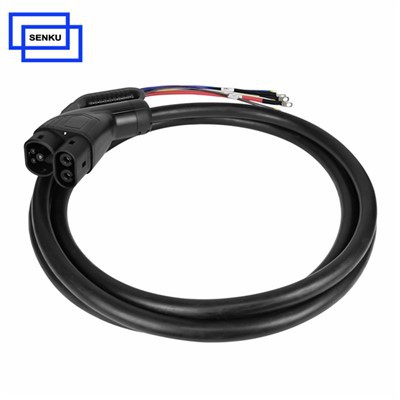
The IEC 62196-2 Mennekes Type 2 EV Charging Connectors, also known as Mennekes, has been proven to be an important component of the global electric vehicle charging infrastructure. Its versatility, safety features, and ability to handle various power levels make it the preferred choice for most electric vehicle manufacturers and users. With the continuous growth of electric vehicles, the adoption of this connector may further expand, consolidating its position as the global standard for electric vehicle charging.


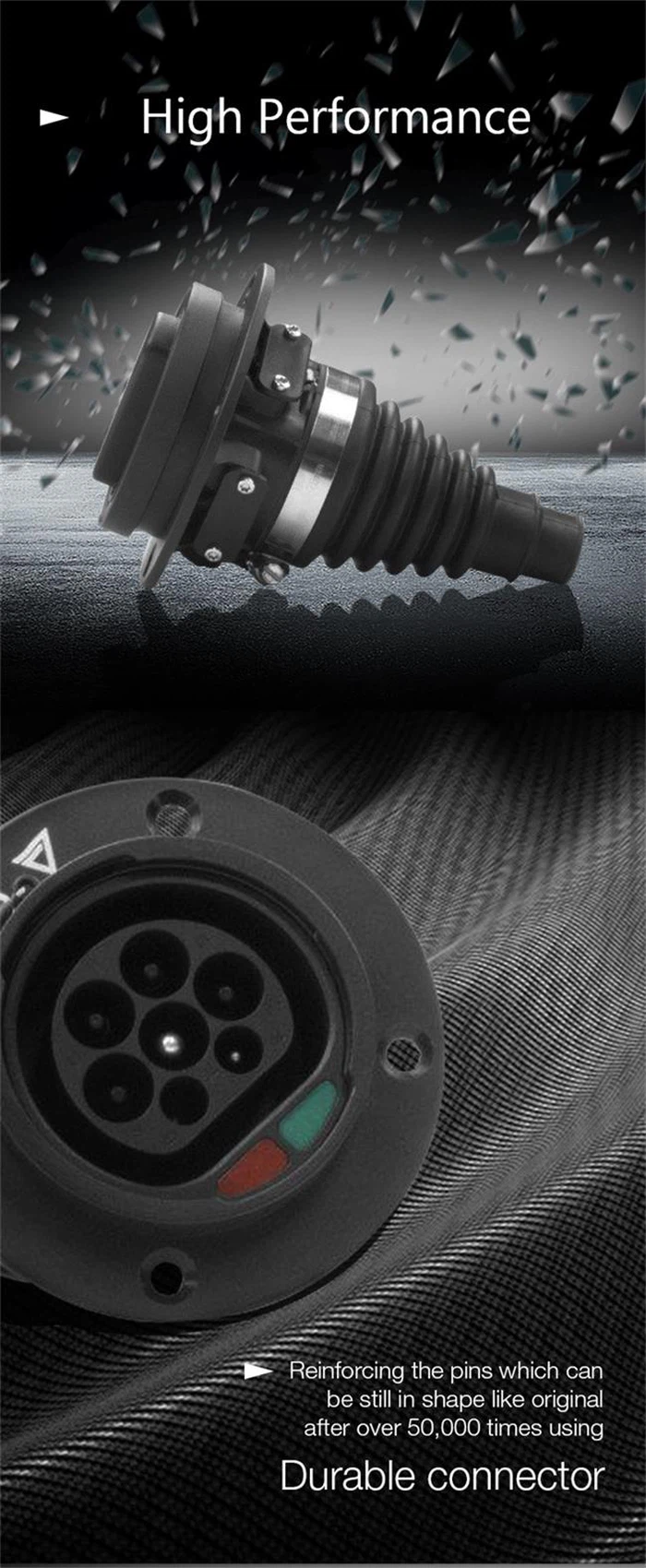


EV Charging Connector Types
Currently, the market is filled with different EV Charging Connectors like Type 2, Typ 1, GBT, Tesla, CHAdeMO, Combo CCS, and Supercharger, each serving the same fundamental purpose of recharging electric vehicles or plug-in hybrids, whether at home or at public charging stations. However, the lack of a universal standard complicates matters for EV owners. Despite their differences, these connectors share the common goal of not only charging the battery but also communicating with the vehicle to manage the maximum current level and control whether the vehicle can be powered on.

How Long Does It Take to Charge an Electric Car?
Using the fastest commercial charger, a DC fast charger, you can add up to 200 miles of range to your electric vehicle in just 30 minutes. On the other hand, if you're using a standard outlet, you'll only gain about two to five miles of range in the same timeframe.
While various factors such as battery capacity, current charge level, battery age, and outside temperature can influence charging speed, the primary factor remains the type of charging connection you use.

Level 1 charging is the slowest method for powering an electric vehicle, typically providing an additional 40 to 50 miles of range if charged overnight. Considering that the average daily driving distance is around 40 miles, as reported by the Federal Highway Administration, this level of charging may be adequate for many people's daily needs.
Level 2 charging is faster, as it draws power from a 240-volt source on a dedicated 40-amp circuit. This setup enables a charging speed of 10 to 25 miles per hour.
The fastest option is Level 3 charging, also known as DC fast charging (DCFC), which can add hundreds of miles of range in just 30 minutes. Due to the high power required, these chargers are typically only available at commercial charging stations.
Hot Tags: type 2 ev charging connectors, type 2 ev charging connectors suppliers, manufacturers, factory, CCS electric charger plug, type 2 charging connectors, standard ev charging plug, type 2 car charging cable, retractable ev charger, ccs2 ev plug in stations