


Features
1.The 180KW fast charging station has a wide voltage input range and a wide operating temperature range;
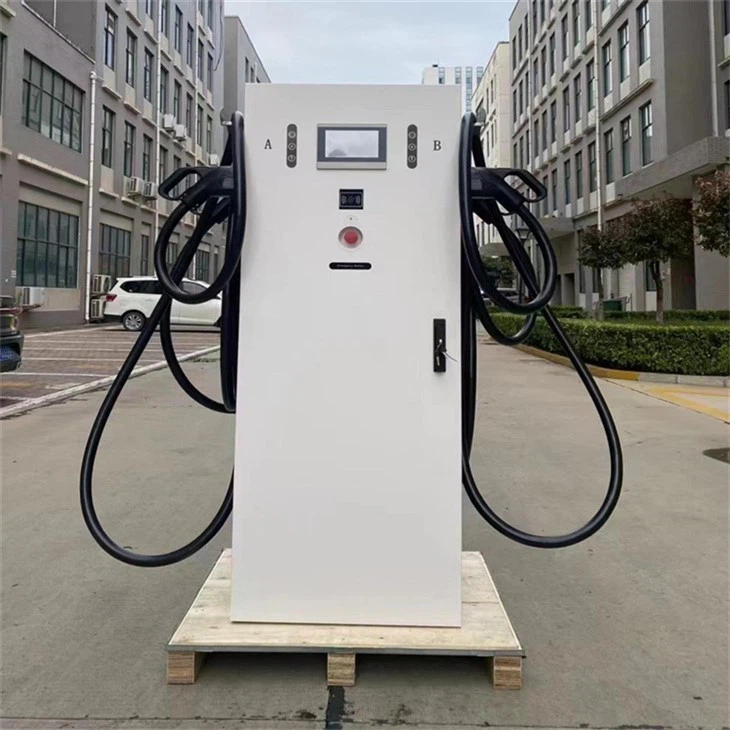
2.Friendly human-machine interface, 7-inch touch screen, and real-time dynamic display of voltage, current, and fault information;
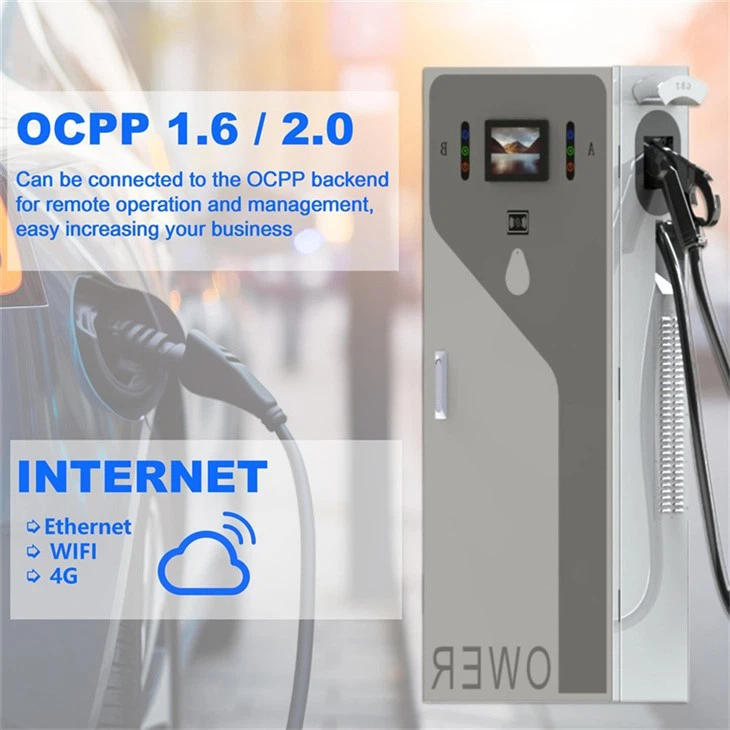
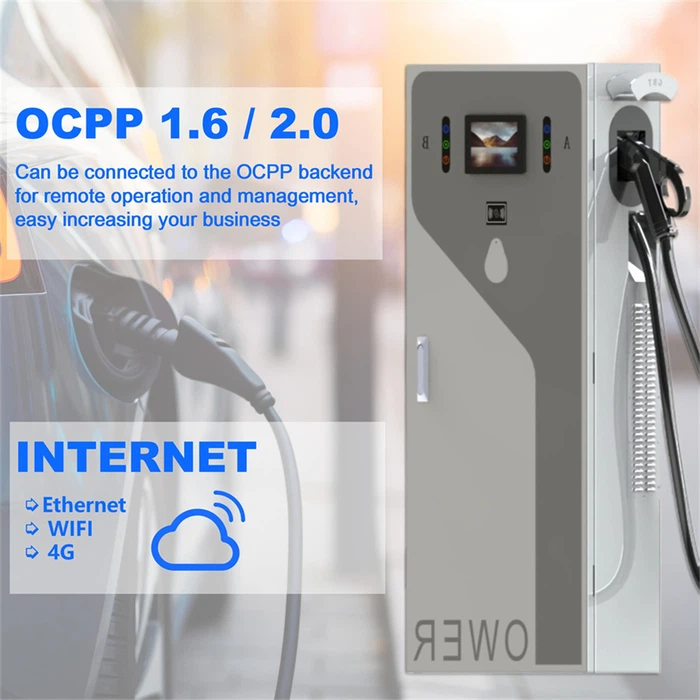
3.Having the function of communicating with the car BMS (CAN / PLC), as well as the status parameters of the power battery before and during charging; Communicate with the OCPP back-end monitoring system of the charging station, upload the working status, working parameter fault alarms, and other information of the charger and power battery, and accept the restriction commands from the monitoring system to execute remote control actions:
4.Featuring a wide range of output voltage and current regulation, compatible with different types of electric vehicle charging
5.Equipped with protection functions such as input side over-voltage, under-voltage, output side over-current, over-voltage, over temperature, and short circuit protection
6.The charging station has the advantages of high efficiency, high reliability, easy maintenance, flexible expansion, energy conservation and environmental protection, etc..





More details about this 180KW Ultra Fast Charging Station, please contact our sale team, Thank you!
Working principle of DC Fast Charging Station and AC charging station
The charging process of electric vehicles requires the conversion of alternating current (AC) from an external power source into direct current (DC) stored in the battery. The AC charging station hands over this conversion process to the car charger, which converts the external AC power into DC power for storage. The DC charging station completes the conversion process from AC to DC inside the charging station, directly supplying DC power to the electric vehicle battery.
Advantages and Applications of Communication Charging Stations
The AC charging station (commonly known as "slow charging") charges the battery of an electric vehicle through a car charger, and the charging process requires the car charger to convert AC power into DC power. This method of charging is relatively slow, but it causes less battery damage.
1. Lower cost: Due to the simple converter of AC charging stations and the fact that the main power conversion is completed inside the car charger, the cost of AC charging stations is lower compared to DC charging stations.
2. Easy installation and maintenance: AC charging stations have a small volume, flexible installation, and relatively low requirements for ground bearing capacity, making them easy to install and use in personal residences, commercial buildings, and other places.
3. Wide applicability: Almost all electric vehicles support AC charging, making AC charging stations more widely applicable.
However, the charging efficiency of communication charging stations is relatively low, usually taking several hours to complete the charging process, making them more suitable for situations where people stay at home or work for a long time.
Advantages and Applications of DC Charging Stations
DC charging stations (also known as "fast charging stations") directly convert AC power into DC power and charge electric vehicle batteries quickly with high power. This method can bypass the limitations of car chargers and directly charge the battery, resulting in a faster charging speed.
1. Fast charging speed: The most significant advantage is the fast charging speed. For consumers in urgent need of quick power replenishment, Fast Charging Station can charge electric vehicles to around 80% of their capacity within 30 minutes, greatly improving charging efficiency.
2. High efficiency conversion: Due to the fact that the power conversion process is completed inside the charging station, energy transmission losses are reduced and charging efficiency is improved.
3. High degree of intelligence: DC charging stations are generally equipped with more advanced control systems and user interfaces, which can provide more charging management and payment functions.
The main disadvantage of DC Fast Charging Station is their high cost and relatively strict installation and maintenance requirements. Therefore, they are more commonly installed in public charging stations and fast charging networks.
Hot Tags: 180kw ultra fast charging station, 180kw ultra fast charging station suppliers, manufacturers, factory, EV Station, Charging Station, EV Charging Systems, Electric Car Charging Infrastructure


