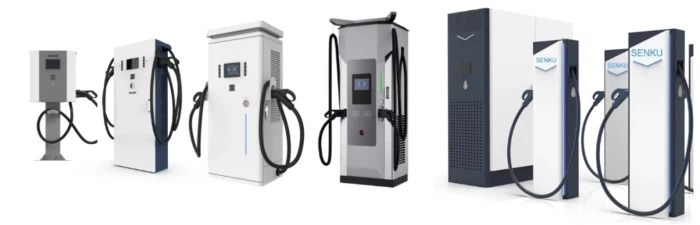
What is DC Fast Charger ?
DC fast chargers, also known as Level 3 chargers, are the backbone of rapid electric vehicle (EV) charging. Unlike slower charging solutions, which deliver alternating current (AC) and rely on the car's onboard converter to change it into direct current (DC), DC fast chargers deliver high-power DC directly to an EV's battery. This direct approach enables much faster charging times, making these chargers ideal for long-distance travel or quick top-ups during busy schedules.
DC fast chargers are compatible with various connector types, including CHAdeMO, CCS (Combined Charging System), and Tesla Superchargers. The type of connector depends on both the vehicle's compatibility and regional standards. For instance, Japanese manufacturers typically use CHAdeMO, while European and American automakers favor CCS connectors. Tesla, with its proprietary Supercharger system, offers its own fast-charging solution, but has recently adopted the CCS2 standard in Europe to align with broader charging networks. Power outputs for these chargers can vary significantly, ranging from 50 kW to over 350 kW. Higher power outputs enable even quicker charging sessions, reducing charging times to just minutes, rather than hours.
The Evolving Market for DC Fast Charging
The DC fast charging landscape is evolving rapidly, driven by technological advancements and the growing need to support a wider range of EVs. As more drivers switch to electric vehicles, the demand for faster, more efficient charging solutions has intensified. This is pushing manufacturers and technology providers to innovate, with the goal of reducing charging times while enhancing overall system performance.
One major development in this space is the increasing adoption of ultra-fast chargers, capable of delivering 350 kW or more, allowing certain EVs to gain hundreds of miles of range in under 30 minutes. At the same time, smart charging technologies are being integrated into DC fast chargers. These solutions use digital connectivity to manage charging loads and reduce strain on the electrical grid, particularly during peak demand periods. By balancing the energy supply with real-time data, these systems can optimize when and how vehicles are charged, offering a seamless user experience while promoting energy efficiency.
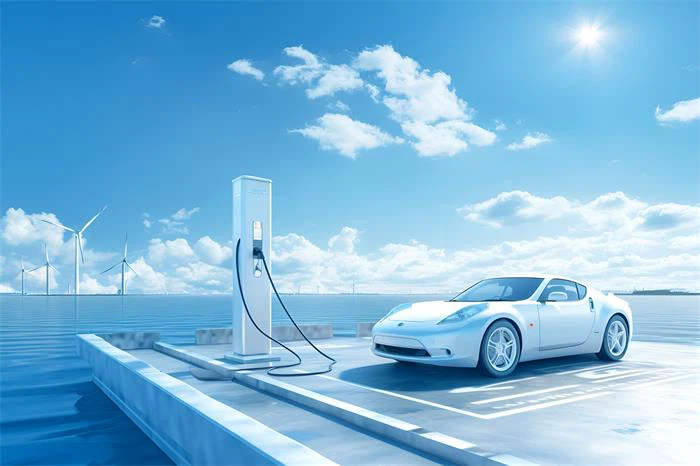
Another key trend is the shift toward greener power sources for DC fast charging stations. As the world moves toward a more sustainable future, efforts are being made to ensure that charging networks utilize renewable energy such as solar or wind power. This not only meets the growing energy demands for EVs but also aligns with broader environmental goals by reducing the carbon footprint associated with charging infrastructure.

Key Charging Interfaces
DC fast charging utilizes a range of connector types, each designed to meet international safety and technical standards like ISO 15118 and DIN SPEC 70121. However, connector standards vary by region, reflecting the diverse needs and technological preferences of different markets. Below is an overview of the most commonly used connectors for DC fast charging:
-CCS1 & CCS2 (Combined Charging System): The CCS standard, which includes CCS1 and CCS2 connectors, is widely used across Europe and North America. CCS combines both AC and DC charging options in a single connector, allowing vehicles to be charged via slower AC power or faster DC power depending on the situation. Many automakers, such as Volkswagen, BMW, and Ford, have adopted CCS, and there is ongoing momentum toward making CCS the global standard. CCS2 is especially prominent in Europe, while CCS1 is more commonly used in the U.S.
- DC GB/T: Used exclusively in China, the GB/T standard follows the GB/T 27930 protocol. As the largest EV market in the world, China has developed its own set of charging solutions to meet local needs. The DC GB/T connector is widely used across Chinese charging networks and is designed to deliver high-power charging for Chinese-manufactured EVs.
- CHAdeMO: Originating in Japan, the CHAdeMO standard is known for its reliability and strong market penetration within the region. It is one of the earlier fast-charging standards and has been used by automakers like Nissan and Mitsubishi. Although newer standards like CCS are gaining ground globally, CHAdeMO remains a popular choice in Japan and continues to be an integral part of the fast-charging infrastructure.
-Tesla: Tesla has long been at the forefront of EV fast charging, thanks to its proprietary Supercharger network, which provides high-speed charging for Tesla vehicles. Initially, Tesla vehicles required their own connectors, which limited compatibility with other networks. However, with the launch of the Tesla Model 3 in Europe, the company has adopted the CCS2 standard to provide broader charging options for its customers. This shift reflects Tesla's growing interest in making its vehicles more compatible with third-party charging networks, while still maintaining its own Supercharger network for optimized charging performance.

The Future of DC Fast Charging
The future of DC fast charging holds tremendous potential as innovations continue to shape the market. With the introduction of higher power ratings, enhanced smart charging capabilities, and a stronger focus on sustainable energy, DC fast charging is positioned to meet the growing demands of an electrified transportation system. As governments and businesses invest heavily in EV infrastructure, the number of fast chargers is expected to surge, further reducing range anxiety and making EV ownership more convenient than ever.
At the same time, industry collaboration will be essential to harmonize charging standards and ensure that all EV drivers, regardless of make or model, have access to fast, reliable charging. Global partnerships between automakers, charging network providers, and governments are key to building a seamless, accessible charging infrastructure that meets the needs of the rapidly growing EV market.